
Family preparedness with purpose, not fear
A calm Christian approach to emergency contacts, meeting places, supplies, and practice—small steps that help a household care for one another.
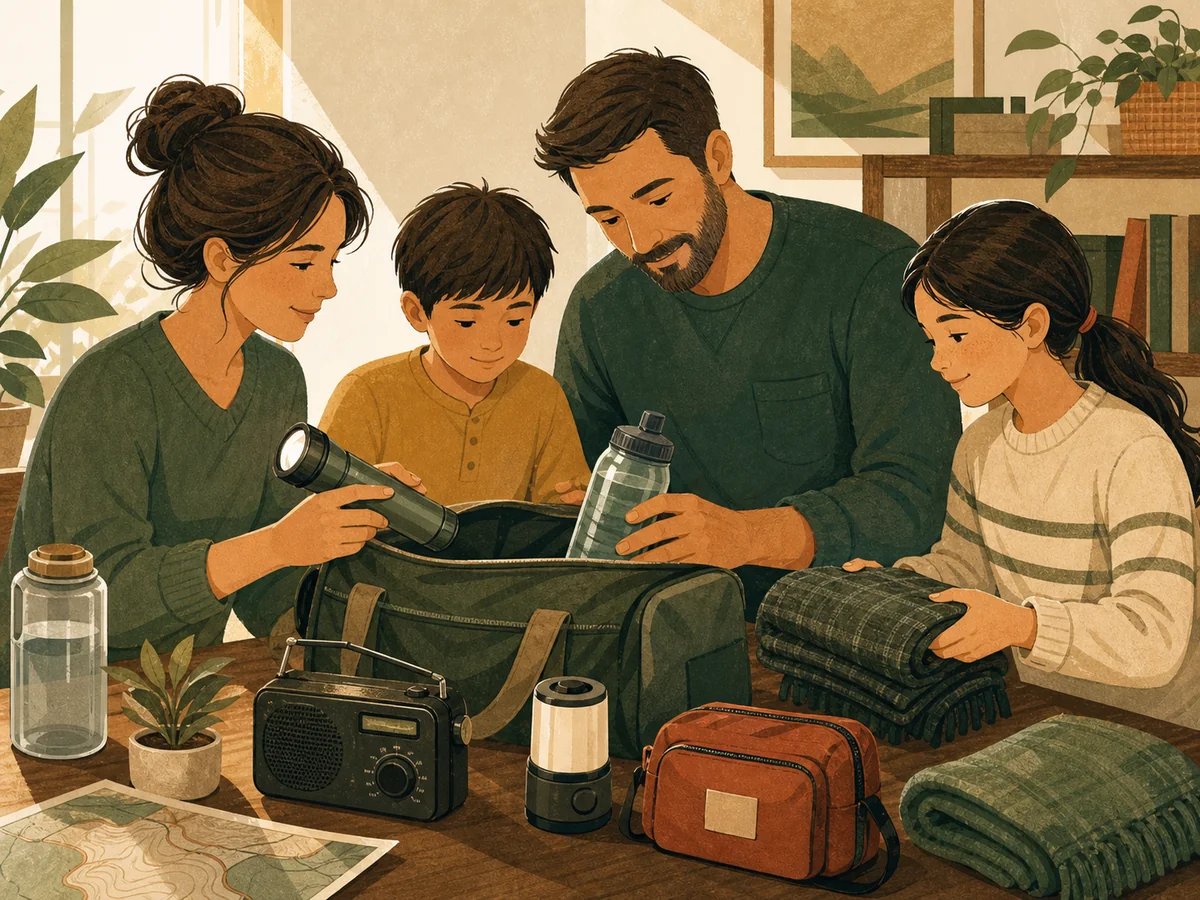
Preparedness content often begins by making families afraid. Fear can produce a burst of shopping, but it rarely produces a plan people understand and practice.
A better starting point is stewardship: the ordinary responsibility to care for the people and resources entrusted to us. Family preparedness is not predicting every disaster. It is making a few good decisions before stress makes clear thinking harder.
Prepare for the likely before the dramatic
Begin with situations your household is most likely to face: a power outage, severe weather, a house fire, a missed pickup, a medical event, or a period when family members cannot reach one another by phone.
Local risks matter. A family on the Gulf Coast will prepare differently from one in a northern winter or wildfire area. Use guidance from your local emergency-management office and trusted public-safety authorities when building situation-specific plans.
Then ask: What would our family need to know, have, and practice?
Build the plan around people
Supplies help, but relationships and clear roles come first.
Contacts
Every capable family member should know how to reach parents or guardians and one trusted contact outside the immediate area. Keep a printed copy where children and caregivers can find it; a phone with a dead battery cannot open a contact list.
Meeting places
Choose one place near home and another outside the neighborhood. Be specific. “By the oak tree beside the library entrance” is more useful than “at the library.”
Needs and access
Consider medications, mobility, sensory needs, medical devices, infants, older relatives, and pets. A generic plan becomes a family plan only when it accounts for the actual people involved.
Roles
Adults should own the safety-critical decisions. Children can have simple, age-appropriate responsibilities: knowing where to meet, carrying their contact card, or following a practiced instruction. A child’s role should build confidence, not make them feel responsible for everyone’s safety.
Assemble useful supplies gradually
You do not need to buy an impressive kit in one weekend. Start with what your local authorities recommend, then close the most important gaps over time.
Common categories include:
- Water and shelf-stable food
- Necessary medications and basic first-aid supplies
- Flashlights, batteries, and backup charging
- Weather-appropriate clothing and blankets
- Copies of essential information
- Hygiene items and supplies for infants or pets
Check expiration dates and changing family needs on a simple schedule. Supplies no one maintains create false confidence.
Practice without frightening children
The tone of a drill matters. Explain that families practice because practice helps people remember what to do, just as athletes and musicians rehearse.
Keep the first practice short. Walk to the meeting place. Let a child locate the printed contact card. Test whether everyone can hear the smoke alarm. Ask what was confusing, then improve one thing.
Avoid surprising children with a dramatic scenario. A calm, announced practice teaches competence. An elaborate simulation may only teach fear.
Use a simple review rhythm
Preparedness works best as light household maintenance:
- Twice a year: Review contacts, meeting places, and family needs.
- With seasonal changes: Check weather-specific supplies.
- After a move or schedule change: Update routes and pickup plans.
- After a practice or real event: Record what did not work and revise it.
Put the next review on the family calendar. A small plan revisited is more useful than a perfect binder forgotten on a shelf.
Make room to help a neighbor
Christian preparedness should widen care, not turn the family inward. Once your household has the basics, consider who nearby may need help: an older neighbor, a family with a newborn, someone with limited transportation, or a person who does not speak the dominant local language.
You cannot promise more than you can safely provide. But knowing names, exchanging contact information, and making one realistic plan for mutual help can strengthen the whole community.
Where Shprd fits
Shprd’s preparedness direction brings plans, contacts, meeting places, checklists, training, and review rhythms into the family system. Several of those foundations exist in the product code, while access and the full family experience continue to be tested and refined.
The product should support calm practice and clear ownership—not sell anxiety. The plan belongs to the family; software’s job is to make the right information easier to find and the next review harder to forget.
Preparedness is one part of a connected household. Continue with a calmer homeschool week, healthy family rhythms, or a Christian approach to media discernment.